Is Tyler, TX a Good Place to Live? A Local's Honest Take
If you're relocating to East Texas or just weighing whether Tyler is the right fit, you've probably already read a dozen generic "best places to live" lists that don't actually answer the question. Here's a straightforward, local take on what living in Tyler is really like — the good and the trade-offs.
The Case for Tyler
Tyler is East Texas's largest city, which means it has something smaller surrounding towns don't: real infrastructure. Strong healthcare systems, a genuine restaurant and retail scene, established school districts, and enough job diversity that you're not tied to a single industry. For a lot of people relocating from bigger metro areas, Tyler hits a sweet spot — real amenities without the traffic, cost, and pace of a major city.
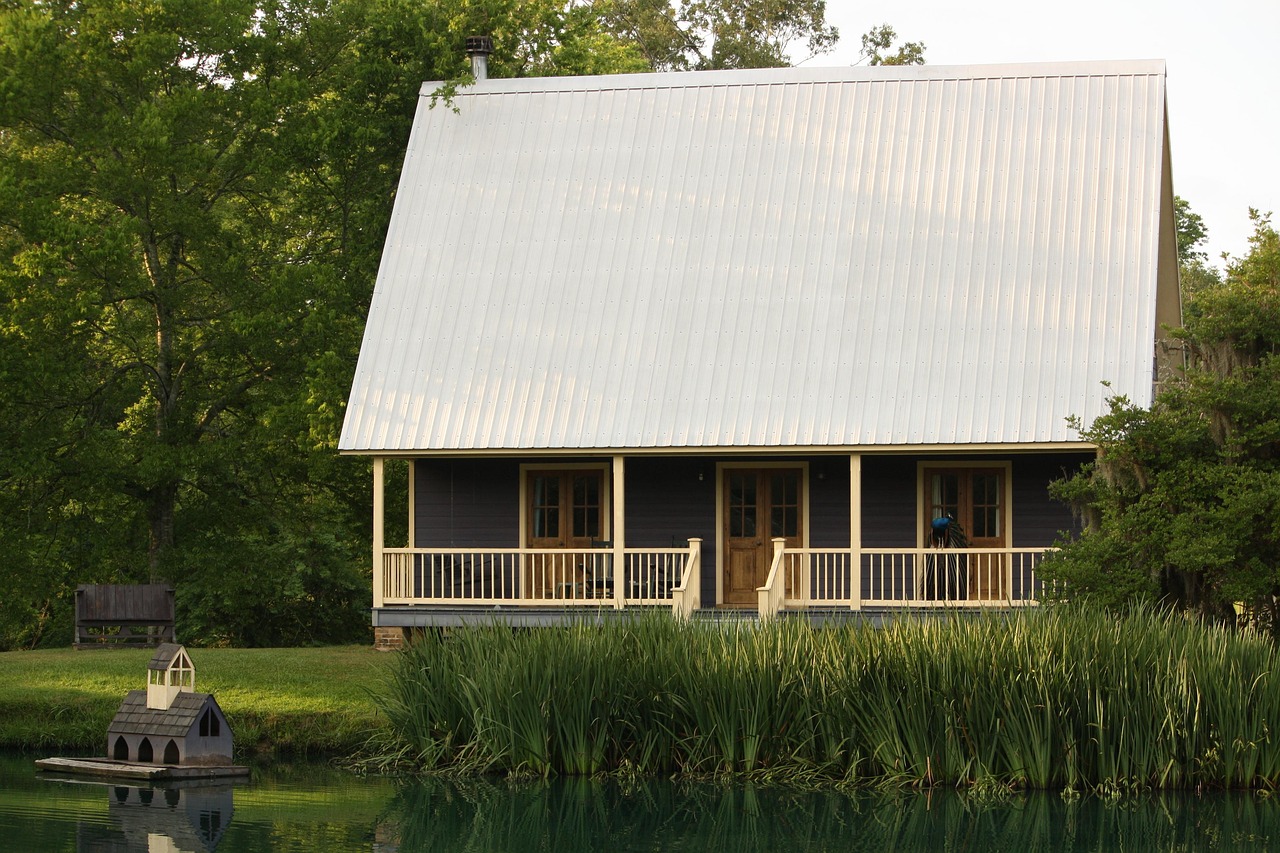
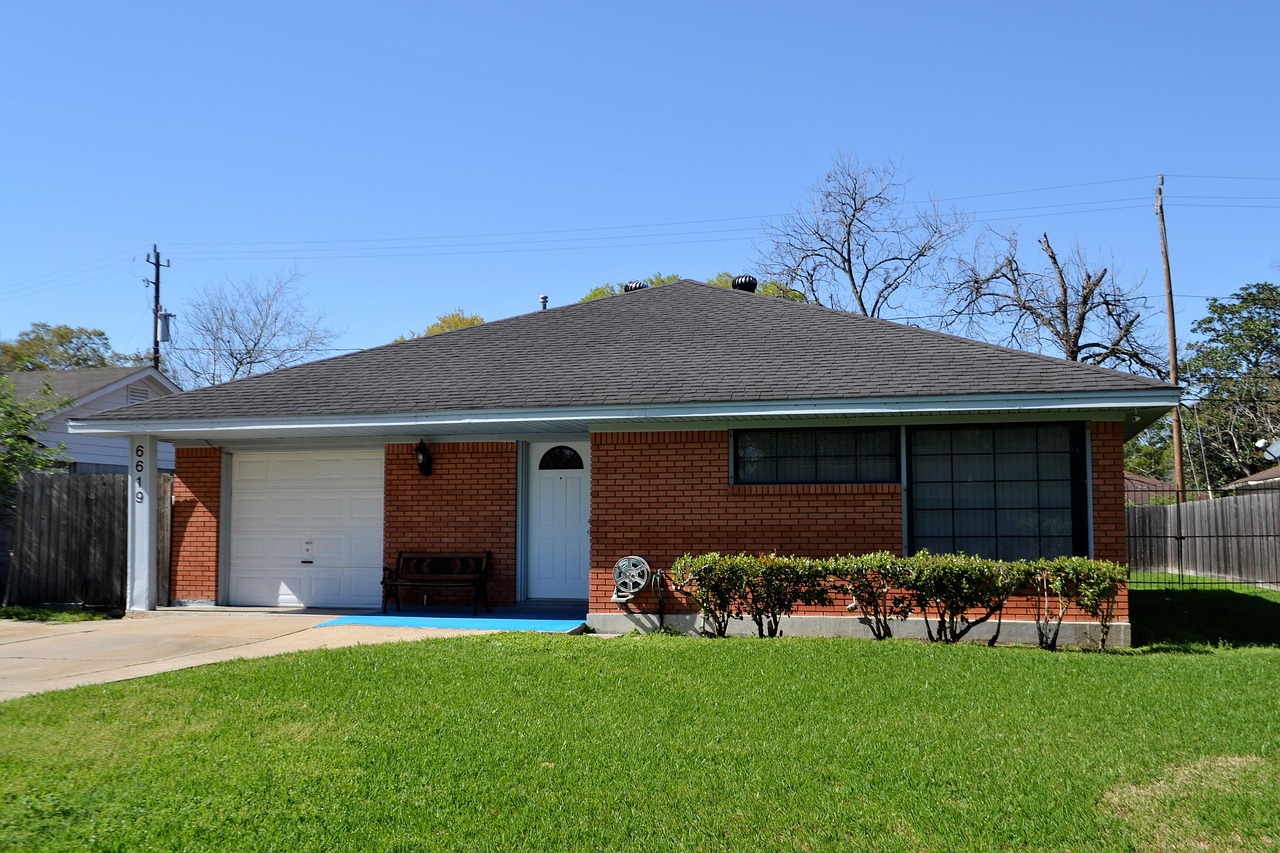
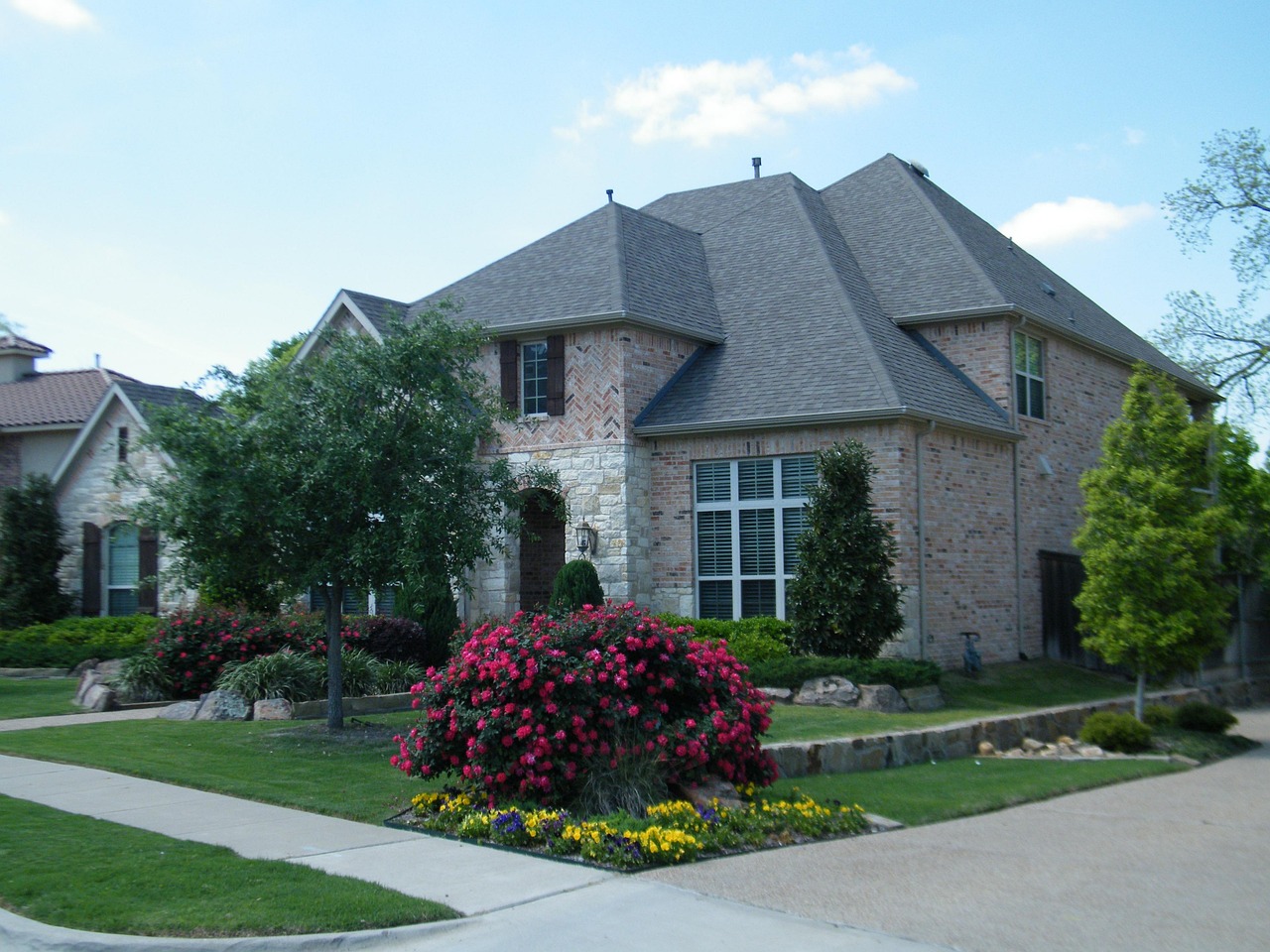
The housing stock also gives buyers real range, from historic homes near downtown to newer construction on the city's edges, which means Tyler can work for very different budgets and lifestyles without requiring a move to a different town entirely.
What People Consistently Like
Ask longtime Tyler residents what keeps them here and a few things come up again and again: the sense of community, the relatively easy commute times even during "rush hour," and genuine green space — Tyler has more parks and tree cover than people expect from a city its size, including the well-known azalea and rose gardens that give the city its "Rose Capital of Texas" reputation.
Cost of living is another consistent draw, especially for anyone relocating from a larger Texas metro. Housing, in particular, still offers real value in Tyler compared to Dallas or Houston, without giving up meaningful access to services and amenities.
The Honest Trade-Offs
Tyler isn't for everyone, and it's worth being upfront about that. If you're used to the density and variety of a major metro — more extensive public transit, a wider range of dining and entertainment, more competitive job markets across a broader range of industries — Tyler will feel smaller, because it is. Summers are hot and humid, as they are across most of East Texas, and the pace of life is genuinely slower, which is either exactly what you're looking for or a real adjustment depending on where you're coming from.
Who Tends to Love It Here
Families looking for good schools and a safer, slower pace tend to thrive in Tyler. So do retirees looking for a lower cost of living without total isolation, and remote workers who want real amenities without a big-city price tag. If those describe you, Tyler is very likely to feel like a strong fit.
Schools and Family Life
For families, Tyler's school options are frequently the deciding factor in choosing a specific neighborhood, and it's worth researching the specific zoning for any home you're considering rather than assuming all Tyler schools are interchangeable. Beyond academics, Tyler offers a genuine range of youth sports leagues, community programs, and family-oriented events throughout the year, which matters just as much to a lot of relocating families as test scores do.
Cost of Living in Real Terms
Tyler's cost-of-living advantage over Dallas or Houston shows up most clearly in housing, where the same budget typically buys meaningfully more space and land in Tyler. Everyday costs — groceries, utilities, dining out — also tend to run lower than in a major metro, though not dramatically so. The bigger financial impact for most relocating buyers comes from housing costs and, for some, a shorter or nonexistent commute compared to what they were dealing with in a bigger city.
Getting a Feel for the Right Neighborhood
Tyler isn't one uniform experience — a home near downtown feels genuinely different from one in a newer subdivision on the city's edge, and both are different again from something further out with more acreage. Spending time in a few different parts of the city, rather than assuming "Tyler" is a single decision, tends to lead to a much better fit once you actually move.
Who Might Want to Look Elsewhere
If your career depends on being physically close to a major metro job market, or if you specifically want big-city density, nightlife, and variety, Tyler will likely feel limiting — and that's worth knowing before you commit to a move rather than discovering it after.
Frequently Asked Questions
Is Tyler considered East Texas? Yes — Tyler is often called the unofficial capital of East Texas, serving as the region's largest city and hub for healthcare, retail, and employment for the surrounding smaller towns.
How does Tyler's climate compare to the rest of Texas? Tyler has a humid subtropical climate similar to much of East Texas — hot, humid summers and mild winters with occasional cold snaps. It's less extreme than West Texas heat but more humid than what buyers from drier climates may be used to.
Is Tyler safe? Like any city, safety varies meaningfully by neighborhood, which is another reason it's worth researching specific areas rather than treating "Tyler" as a single data point. A local agent can give you an honest, neighborhood-specific read rather than a citywide generalization.
Still Deciding?
The best way to know if Tyler is right for you is to actually spend time here — walk a few different neighborhoods, eat at a few local spots, and get a feel for the pace in person. If you'd like a local's perspective on which part of Tyler might fit your specific situation, contact the Leslie Cain Realty team — we help relocating buyers get oriented every day, not just close transactions.
Recent Posts