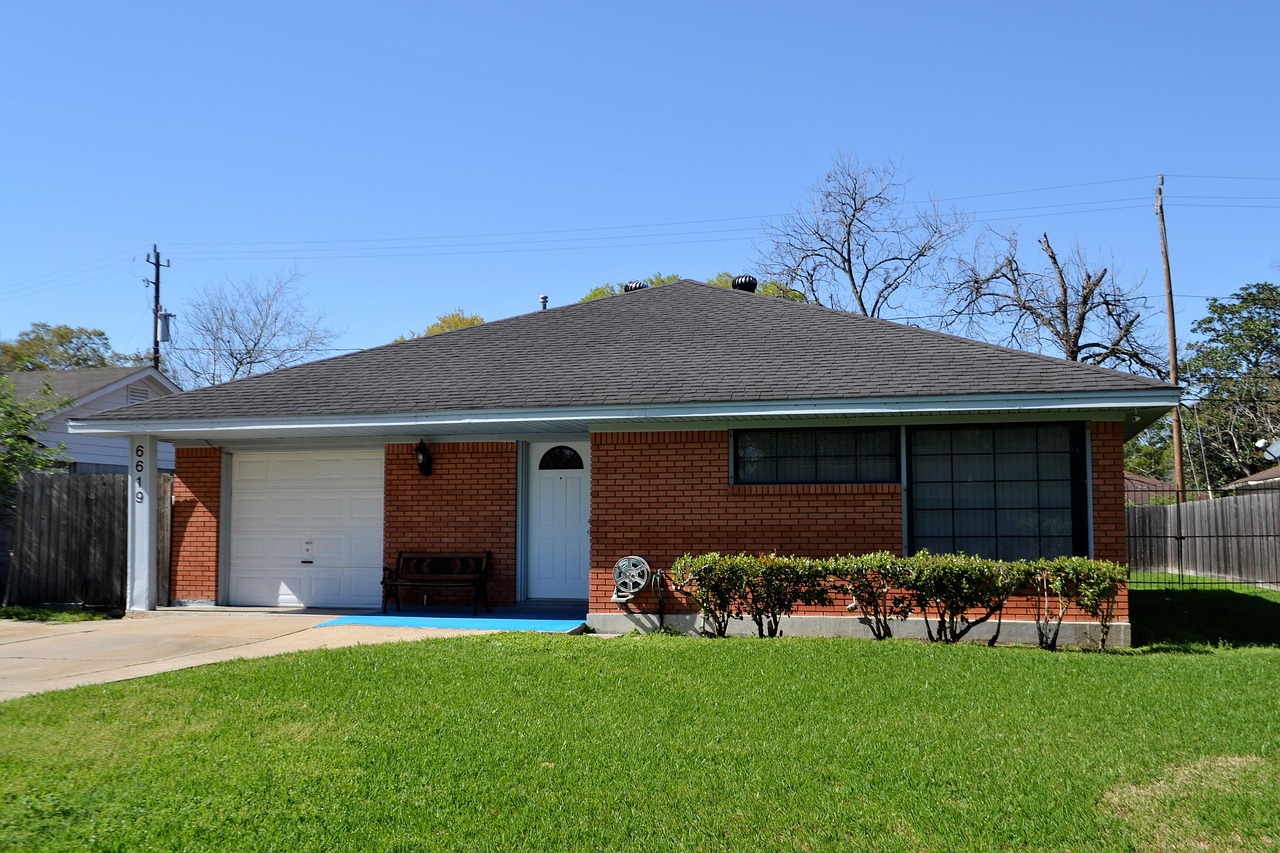
First-Time Homebuyer's Guide to Tyler, TX
Buying your first home is exciting and, honestly, a little overwhelming — there's a lot of new vocabulary, a lot of steps, and a lot riding on getting it right. If you're starting that process in Tyler, here's a clear, practical walkthrough of what to expect, from your very first budget conversation to picking up your keys.
Step 1: Figure Out What You Can Actually Afford
Before you fall in love with a house, get honest about your budget. That means looking beyond the sticker price to property taxes, homeowners insurance, HOA dues if applicable, and ongoing maintenance — not just the mortgage payment. A good rule of thumb is to get pre-approved before you start touring, which brings us to the next step.
Step 2: Get Pre-Approved, Not Just Pre-Qualified
Pre-qualification is a quick, informal estimate based on self-reported numbers. Pre-approval means a lender has actually verified your income, credit, and finances and issued you a letter stating what you're approved to borrow. In Tyler's market, where well-priced homes in popular areas can draw quick interest, a pre-approval letter is often what lets you make a serious, competitive offer the moment you find the right house.
Step 3: Learn Tyler's Neighborhoods Before You Tour
Tyler isn't one uniform market — the Rose Garden district and downtown have a different feel and price point than newer construction on the south side, and areas near Lake Tyler or Lake Palestine offer yet another lifestyle entirely. Before you start touring, it's worth spending time understanding which parts of town actually fit your priorities: school zoning, commute distance, lot size, or proximity to specific amenities. A local agent can help you narrow this down fast instead of touring homes in areas that don't actually fit your needs.
Step 4: Build Your Must-Have List
Write down your true non-negotiables versus your nice-to-haves before you start touring. It's easy to fall for curb appeal and realize halfway through a showing that the home is missing something you actually needed — a garage, a specific number of bedrooms, a fenced yard. This one step saves first-time buyers an enormous amount of wasted time and emotional whiplash.
Step 5: Tour With a Critical Eye, Not Just an Excited One
Photos show a home's best angles. In person, pay attention to what pictures can't tell you: how the layout actually flows, what the natural light is like, whether you can hear road noise, and the real condition of things like the roof, HVAC, and foundation. It's okay to fall for a house — just don't skip the practical questions while you're doing it.
Step 6: Make an Offer With Your Agent's Guidance
Once you find the right home, your agent will help you structure a competitive offer based on recent comparable sales, not just what feels right. This is also where contingencies come in — inspection, financing, and appraisal contingencies protect you, and a good agent will help you understand which ones make sense to keep and which, if any, might be worth adjusting to make your offer more competitive without leaving you exposed.
Step 7: Don't Skip the Inspection
Even in a competitive situation, a home inspection is one of the best-value steps in the entire process. A few hundred dollars can surface foundation issues, roof age, HVAC condition, or plumbing concerns before they become your problem instead of the seller's. For first-time buyers especially, this step is worth protecting.
Step 8: Understand Closing Costs Ahead of Time
Closing costs typically run a few percent of the purchase price and cover things like lender fees, title insurance, and prepaid property taxes and insurance. Ask your lender for a clear breakdown early so there are no surprises at the closing table.
Common First-Time Buyer Mistakes to Avoid
A few missteps show up again and again with first-time buyers. Shopping for a home before talking to a lender is one of the most common — it leads to falling in love with something outside your real budget. Skipping the inspection to make an offer more competitive is another, and it's rarely worth the risk it introduces. And underestimating the true cost of homeownership — taxes, insurance, maintenance, and the occasional surprise repair — trips up buyers who budgeted only for the mortgage payment itself. Going in aware of these patterns helps you avoid repeating them.
Understanding Different Loan Programs
First-time buyers have more financing options than they often realize, including conventional loans, FHA loans with lower down payment requirements, and in some cases VA loans for eligible veterans and service members. Each comes with different down payment minimums, credit requirements, and costs over the life of the loan. A conversation with a lender early in the process — well before you're seriously touring — helps you understand which program actually fits your situation, rather than assuming you need 20% down before you can buy at all.
Building Your Down Payment and Understanding Assistance Programs
Many first-time buyers assume they need a full 20% down payment before they can even start looking, which simply isn't true for most loan programs. FHA loans can require as little as 3.5% down, and some conventional programs go even lower for qualified first-time buyers. It's also worth asking your lender about any first-time homebuyer assistance programs available in Texas — some offer down payment or closing cost help that can meaningfully change your timeline for getting into a home sooner rather than spending additional years saving.
Step 9: Closing Day and Beyond
On closing day, you'll sign the final paperwork, transfer funds, and get your keys. It's a genuinely exciting milestone — and it's also the moment your agent's job shifts from finding you a house to making sure everything about the transaction closed correctly and on your side.
Give Yourself Realistic Time Expectations
First-time buyers often underestimate how long the full process takes, from the initial search through closing. Depending on how quickly you find the right home and how smoothly financing moves, the process can take anywhere from a few weeks to a few months. Building in some patience — rather than expecting to be in a new home within a couple of weeks of starting your search — helps keep the process feeling manageable rather than stressful.
Ready to Start Your Search in Tyler?
Buying your first home doesn't have to feel like guesswork. Our team at Leslie Cain Realty works with first-time buyers across Tyler regularly and can walk you through every step, from your first budget conversation to closing day. Reach out to us to get started, or browse our current listings to see what's available now.
Frequently Asked Questions
What's the first step to buying a home in Tyler, TX?
Start with your budget and get pre-approved by a lender before you begin touring. This tells you what you can realistically afford and lets you move quickly and confidently once you find the right home.
Do I need a real estate agent to buy my first home in Tyler?
While it's not legally required, a local agent brings neighborhood knowledge, negotiation experience, and guidance through inspections and closing that's especially valuable for first-time buyers navigating the process for the first time.
Recent Posts